
Recycled Promotional Items for Eco-Conscious Brands: The Complete Australian Guide
Discover the best recycled promotional items for eco-conscious brands in Australia — product ideas, tips, and ordering advice for 2026.

Written by
Mabel Hayes
Eco & Sustainable Products
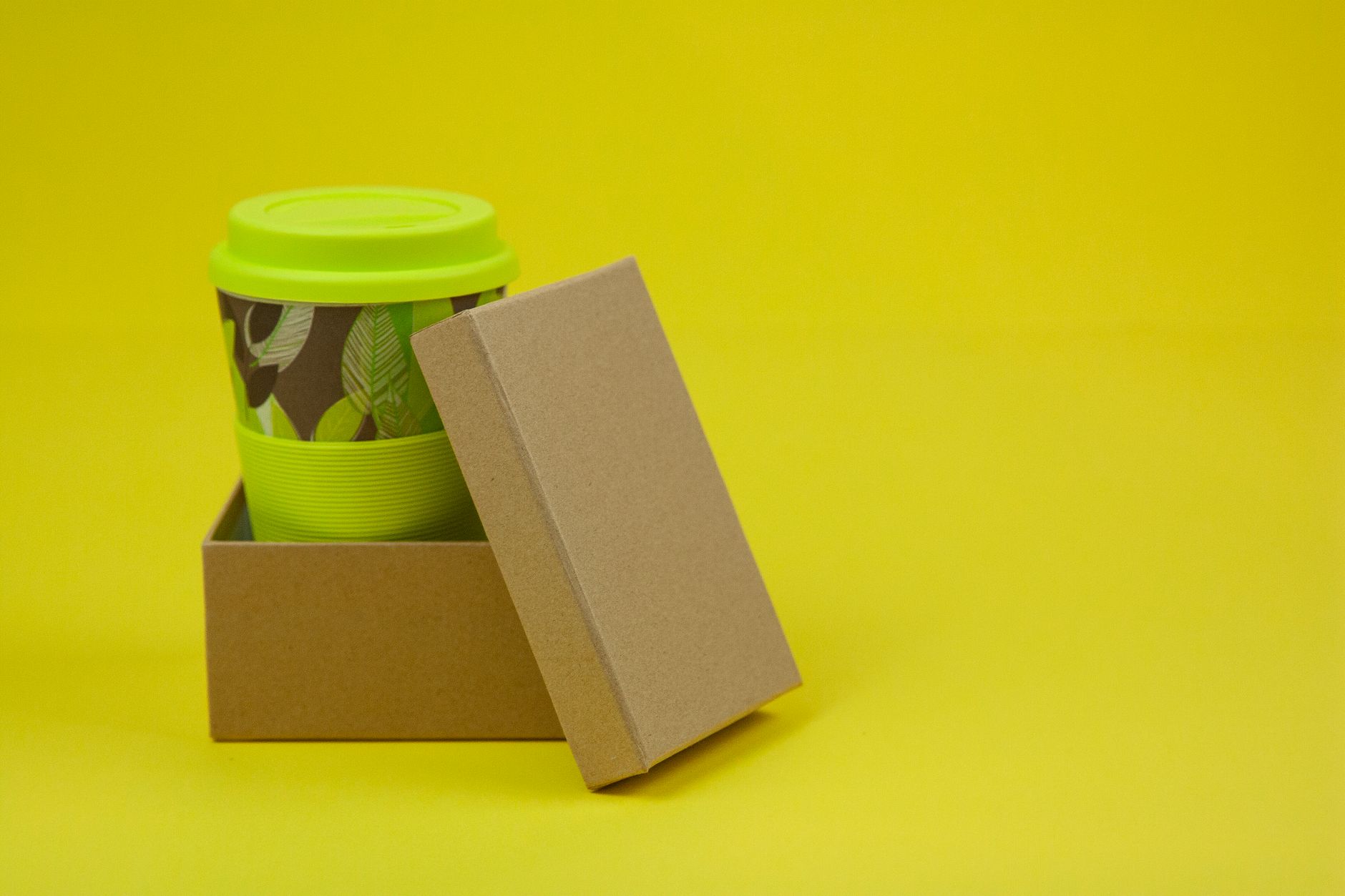
When customers, clients, and stakeholders increasingly make purchasing decisions based on environmental values, the branded merchandise you hand out says far more about your organisation than just your logo. Recycled promotional items for eco-conscious brands have moved well beyond bamboo pens and reusable bags — today’s options span premium drinkware, sophisticated apparel, clever tech accessories, and stylish stationery, all made from materials that reduce landfill and lower your carbon footprint. Whether you’re a Sydney startup wanting to walk the talk on sustainability, a Melbourne council sourcing conference giveaways, or a Brisbane school equipping students with eco-friendly stationery kits, this guide covers everything you need to know about choosing, ordering, and getting the most out of recycled promotional products in 2026.
Why Recycled Promotional Items Matter for Australian Brands
Australia generates millions of tonnes of waste annually, and consumers are paying close attention to how businesses contribute to — or help solve — that problem. According to promotional products market research in Australia, branded merchandise consistently ranks among the most recalled and appreciated forms of marketing. When that merchandise is made from recycled or sustainably sourced materials, the recall value rises even further because the product aligns with the recipient’s personal values.
The difference between a cheap plastic pen and a pen crafted from recycled PET bottles isn’t just environmental — it’s perceptual. Recipients are more likely to keep, use, and speak positively about a product that reflects thoughtful brand values. For corporate businesses in particular, this matters enormously. Procurement teams across government departments in Canberra, healthcare organisations in Adelaide, and universities in Perth are actively seeking suppliers who can demonstrate environmental responsibility throughout their supply chain.
The Business Case for Going Green With Promo
There’s also a very practical commercial argument. Regulatory requirements around sustainable procurement are tightening across Australian states and territories. Councils, schools, and government agencies are increasingly required to demonstrate environmental due diligence in their purchasing decisions. By offering recycled promotional items, organisations can satisfy these requirements while still achieving the brand visibility and engagement that promotional products are famous for.
The Best Categories of Recycled Promotional Items
Not all eco-friendly products are created equal, and understanding which categories deliver the best combination of functionality, aesthetics, and genuine environmental impact will help you spend your budget wisely.
Recycled Drinkware
Branded drinkware made from recycled stainless steel, rPET (recycled polyethylene terephthalate), or reclaimed ocean plastic is one of the fastest-growing segments in the promotional products industry. Keep cups made from recycled materials are especially popular for corporate events, conferences, and trade shows. Reusable bottles crafted from rPET give plastic waste a second life and are particularly well-suited to sporting clubs, universities, and health-conscious workplaces.
Typical MOQs for recycled drinkware start at around 50–100 units, and decoration methods vary depending on the substrate — laser engraving works beautifully on stainless steel, while pad printing or digital printing suits rPET surfaces. Turnaround times typically run 10–15 business days for standard orders, though express options are available for tight event deadlines.
Recycled Tote Bags and Carry Bags
Perhaps no single product category has done more to popularise eco-friendly promotional items than the tote bag. Recycled cotton branded tote bags are an outstanding option for grocery retailers, food businesses, and community organisations wanting a practical, everyday item that keeps their brand front-of-mind. Recycled cotton uses significantly less water and energy to produce than virgin cotton, making it a genuinely more sustainable choice.
Beyond cotton, you’ll also find tote bags and shopping bags made from rPET fabric (often from recycled plastic bottles), jute, and organic canvas. These bags are ideally suited to screen printing or sublimation decoration, which delivers vibrant, long-lasting logos and artwork. For a Gold Coast retail brand or a Perth health food store, a well-branded recycled tote bag is both a functional gift and a daily advertisement for your values.
Recycled Stationery and Office Products
Branded notebooks made from recycled paper, pens crafted from reclaimed ocean plastic or recycled cardboard, and sticky note pads printed on FSC-certified stock all fall into this category. Schools across Australia — from primary schools in Darwin to secondary colleges in Hobart — have embraced eco-friendly stationery as part of broader sustainability education programs.
If you need inspiration for stationery sourcing, our guide to finding quality stationery products is a useful starting point. For corporate environments, recycled notepads and bamboo pens pair perfectly with business card presentations — take a look at sustainable options for printed business collateral to ensure your entire branded suite maintains a consistent eco-friendly message.
Recycled Tech Accessories
Eco-conscious brands don’t have to sacrifice tech-savvy giveaways. USB drives made from recycled plastic or bamboo enclosures, power banks with casings crafted from rPET, and phone accessories using reclaimed materials are all available. Branded USB sticks in recycled housing are particularly popular at trade shows and conferences, offering genuine utility alongside an unmistakable sustainability message.
When exhibiting at events, sustainable tech accessories pair especially well with other eco-friendly items at your stand. Our trade show booth display ideas and trade show stand guide both include advice on how to build a cohesive, on-brand presence — and incorporating recycled products throughout your display reinforces your environmental credentials at every touchpoint.
Recycled Apparel
Custom apparel made from recycled polyester (commonly sourced from recycled plastic bottles), organic cotton, or blended recycled fibres is increasingly available across a wide range of garment types — t-shirts, hoodies, caps, and even activewear. Decoration methods like screen printing and embroidery work perfectly on recycled fabric garments.
Organisations running charity fundraising campaigns will find recycled apparel particularly compelling — you can read more about how to select the right promotional products for charity fundraisers in Australia to ensure your merchandise resonates with donors and supporters alike.
Practical Considerations When Ordering Recycled Promotional Items
Understanding the operational side of ordering eco-friendly promotional products will save you time, money, and frustration.
Minimum Order Quantities and Budget Planning
MOQs for recycled promotional items can vary more than for standard products. Some specialty eco items — particularly those made from ocean-recovered materials — may have higher MOQs (250–500 units) due to manufacturing constraints. More mainstream items like recycled totes and rPET bottles often start at 50–100 units, making them accessible even for smaller organisations or events.
Our guide to understanding minimum order quantities for custom merchandise is essential reading before you commit to any order, particularly if you’re working within a tight event or marketing budget.
Budget-wise, expect to pay a modest premium over conventional equivalents — typically 10–25% more — but this gap has narrowed considerably as recycled materials become more mainstream. The perceived value with recipients, however, consistently exceeds the additional cost, making the return on investment compelling.
Artwork, Decoration Methods, and Lead Times
Different recycled substrates suit different decoration methods. Recycled paper notebooks respond best to debossing or foil stamping for a premium feel. rPET fabric bags accept screen printing or sublimation beautifully. Recycled stainless steel drinkware is ideal for laser engraving. Understanding these nuances upfront avoids costly reprints and delays.
Artwork files should generally be submitted as vector files (AI, EPS, or high-resolution PDF) for clean, scalable reproduction. Always request a digital proof before approving production, particularly when working with recycled materials where surface textures can affect how colours appear.
Standard lead times for eco-friendly promotional products in Australia typically run 10–20 business days from artwork approval, with some specialty items requiring longer due to import timelines. If you’re ordering for a specific event — a conference in Melbourne, a product launch in Brisbane, or a school sustainability week in Sydney — factor in buffer time of at least one to two weeks beyond the standard lead time.
Certifications to Look For
Not every product labelled “eco-friendly” is created with equal rigour. Look for products carrying recognised certifications such as:
- GRS (Global Recycled Standard) — certifies the recycled content of products and supply chain practices
- FSC (Forest Stewardship Council) — relevant for paper and wood-based products
- OEKO-TEX Standard 100 — confirms textiles are free from harmful substances
- Bluesign — relevant for recycled synthetic textiles used in apparel and bags
Asking your supplier for certification documentation is a reasonable and professional request, particularly for government, education, and corporate procurement contexts.
Aligning Recycled Promo Items With Your Brand Story
The most effective recycled promotional items are those that connect authentically with your brand’s existing narrative. A yoga studio in Adelaide offering branded yoga mat carriers made from recycled materials creates a perfect alignment between product, purpose, and audience. An optometry practice providing eco-friendly eye care kits packaged in recycled materials reinforces a message of thoughtful care.
Organisations involved in outdoor or community events should also explore options like eco-friendly promotional footballs for beach and coastal events crafted from sustainable materials — a particularly resonant choice for organisations working in coastal conservation or outdoor recreation.
Even industries that might not immediately seem connected to sustainability can make meaningful choices. Mining operations, for instance, can align safety communications with eco values — our guide to promotional safety signs for mining operations and safety whistles for construction companies both explore how practical branded items can reflect broader organisational commitments to responsibility.
For organisations wanting to understand the full breadth of what’s available in the market before committing to a strategy, our comprehensive overview of promotional branding items provides an excellent starting point.
Conclusion: Key Takeaways for Choosing Recycled Promotional Items for Eco-Conscious Brands
Recycled promotional items for eco-conscious brands represent one of the most significant shifts in the Australian promotional products market in recent years. They’re no longer a niche option — they’re a mainstream expectation for organisations that take their environmental responsibility seriously and want their branded merchandise to reflect those values authentically.
Here are the key points to carry forward:
- Choose products with verifiable credentials. Look for GRS, FSC, or OEKO-TEX certification to ensure your eco claims are substantiated and defensible.
- Match the product to your audience and purpose. A recycled tote bag works brilliantly for a community event; recycled tech accessories suit a corporate conference. Relevance amplifies impact.
- Plan your order with realistic lead times. Eco-friendly products, particularly specialty items, can take longer to produce — build in buffer time and account for higher MOQs where applicable.
- Communicate the story. Don’t just hand over a recycled product — include a swing tag, packaging insert, or event signage that explains what it’s made from and why your brand chose it.
- Budget for a modest premium, but expect greater perceived value. The additional cost of recycled materials is consistently outweighed by the goodwill, recall, and brand alignment these products generate with modern Australian audiences.