
Shirt Custom Orders in Australia: The Complete Guide for Businesses and Schools
Learn how to order custom shirts in Australia — decoration methods, MOQs, budgets, and tips for businesses, schools, and corporate events.

Written by
River Chen
Custom Apparel
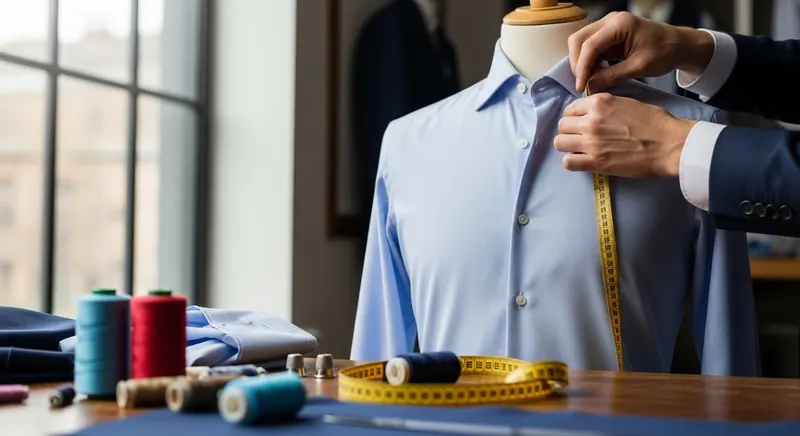
Whether you’re kitting out a corporate team in Melbourne, organising school sports day uniforms in Brisbane, or preparing staff polos for a Sydney trade show, getting a shirt custom made with your branding is one of the most effective and versatile promotional investments you can make. Custom shirts tick every box — they’re practical, visible, and long-lasting. But with so many fabric options, decoration methods, minimum order quantities, and supplier considerations to navigate, knowing where to start can feel overwhelming. This guide cuts through the noise and gives you everything you need to plan, budget, and execute a successful custom shirt order in Australia.
Why Custom Shirts Remain One of Australia’s Most Popular Branded Products
There’s a reason custom shirts consistently rank among the top-selling promotional products across Australia. Whether it’s a polo with an embroidered logo or a printed event t-shirt, a well-made custom shirt does something no other merchandise category can quite replicate — it turns the wearer into a walking advertisement for your brand.
For businesses, custom shirts create visual consistency across teams, reinforce professionalism at client meetings and industry events, and build a sense of belonging among staff. For schools, they solve the perennial sports carnival problem, provide a unified look for excursions and school clubs, and give students something they’ll actually want to wear. And for corporate events, conferences, and trade shows, branded shirts are the quickest way to ensure your team is identifiable on the floor while keeping your brand front and centre throughout the day.
The versatility of the product category is another major drawcard. You can order everything from lightweight cotton tees for a casual team-building day, to moisture-wicking performance polos for outdoor environments, to classic business polos for client-facing staff. Each shirt style serves a different purpose, and the right choice depends heavily on your audience, setting, and budget.
If you’re exploring a broader summer merchandise campaign, our guide to custom summer products in Australia is worth reading alongside this one for seasonal context.
Choosing the Right Shirt Style for Your Needs
Before you even think about decoration methods or artwork files, the first decision is always the shirt itself. Getting this right sets the foundation for everything that follows.
T-Shirts
The humble t-shirt remains the go-to for casual events, school fundraisers, charity runs, and youth-focused campaigns. Cotton tees are affordable, widely available in bulk, and comfortable for all-day wear. A Perth community event organisation ordering 500 tees for a fun run will typically find t-shirts are the most cost-effective path forward, especially when ordering at higher quantities where per-unit pricing drops significantly.
Most standard promotional t-shirts are available in weights ranging from 150gsm to 200gsm. Heavier garments tend to feel more premium and hold their shape better over time, which matters if your goal is long-term brand visibility rather than a single-use event item.
Polo Shirts
Polo shirts are the staple of the Australian corporate wardrobe. They strike the right balance between smart and casual, making them ideal for office environments, trade events, and client-facing teams. Embroidered logos sit beautifully on polo shirt chest pockets, and the collar adds a polished look that t-shirts can’t quite achieve.
For a trade show stand or trade show booth display, matching team polos instantly communicate that your crew is professional, organised, and easy to find among the crowd.
Performance and Sport Shirts
Moisture-wicking or quick-dry shirts are essential for outdoor teams, sporting clubs, school PE uniforms, and any environment where physical activity is expected. These shirts are typically made from polyester blends and are particularly well-suited to sublimation printing, which we’ll cover shortly.
Hi-Vis Shirts
For construction, mining, and other safety-critical industries, hi-vis workwear shirts with custom branding serve a dual purpose — meeting compliance requirements while promoting your business. If your team works in hazardous environments, our piece on promotional safety signs for mining operations and promotional safety whistles for construction companies rounds out your safety merchandise toolkit nicely.
Decoration Methods: Matching the Right Technique to Your Shirt
One of the most impactful decisions in any shirt custom order is choosing the correct decoration method. The wrong choice can compromise both the visual quality and the durability of your finished product.
Screen Printing
Screen printing is the gold standard for bulk t-shirt orders. It’s cost-effective at volume, produces vibrant, durable colours, and works especially well on cotton garments. The process involves creating individual colour screens, so it suits designs with a limited number of solid colours. Most screen printers in Australia can match PMS colours accurately, which matters for brand-sensitive organisations.
Screen printing becomes more economical from around 50 units upward. Below that threshold, setup costs — typically $50 to $100 per colour — can make other methods more attractive.
Embroidery
Embroidery is the preferred decoration for premium business polos, corporate uniforms, and anything where longevity and texture matter. A finely embroidered logo on a navy polo looks professional and withstands repeated washing far better than most print methods.
The trade-off is that embroidery doesn’t handle very fine detail or photographic images well, and it adds a small weight and stiffness to the garment. Setup involves a digitising fee (converting your artwork into a stitch file), which is a one-time cost often ranging from $30 to $80 depending on complexity.
Sublimation Printing
Sublimation is a game-changer for full-colour, all-over designs on polyester garments. The dye is infused directly into the fabric, creating a vibrant finish that won’t crack, peel, or fade. It’s ideal for sporting uniforms, event shirts, and any design that extends to the seams or uses gradients and photographic imagery.
Because sublimation works only on white or very light polyester fabrics, it’s not suitable for every garment or design. But when the conditions are right, the visual results are genuinely stunning.
Heat Transfer and Digital Printing
Heat transfer and direct-to-garment (DTG) digital printing are useful for short-run orders, complex multicolour artwork, and situations where you need quick turnaround. These methods are ideal when MOQs are a concern — some suppliers will produce heat transfer or DTG prints from as few as one unit, though pricing reflects the lower volume.
For a thorough breakdown of how these options compare, our guide on understanding minimum order quantities for custom merchandise explains how decoration method affects your minimum runs and overall budget.
Budgeting for Your Shirt Custom Order
Pricing for custom shirts in Australia varies considerably based on garment quality, decoration method, quantity, number of print colours, and turnaround time. Here’s a practical framework to help you budget realistically.
Per-Unit Pricing Tiers
As a rough guide:
- 25–50 units: Expect to pay $25–$45 per shirt for a polo with one-colour embroidery, or $15–$25 for a basic screen-printed tee
- 100–250 units: Per-unit costs typically drop 20–35% compared to the 25-unit tier
- 500+ units: Significant pricing advantages kick in, often bringing a good-quality polo to the $12–$18 range
Hidden Costs to Account For
Setup fees, digitising charges, freight, and GST are commonly overlooked in initial budgets. Always request a fully itemised quote from your supplier, including:
- Artwork setup or digitising fees
- Screen fees (for screen printing)
- Sample or pre-production proof costs
- Freight to your location in Australia
If your project involves other branded items alongside shirts — say, printed stubby coolers or promotional USB sticks — consolidating your order through a single supplier can sometimes reduce freight costs and simplify the approval process.
Artwork and Approval: Getting Your Branding Right
Artwork is where many first-time custom shirt orders go wrong. Submitting a low-resolution logo from a Word document or website screenshot will result in poor print quality, and no reputable decorator can save a file that isn’t print-ready.
File Requirements
For most decoration methods, you’ll need:
- Vector files (AI, EPS, or PDF with fonts outlined) for screen printing and embroidery
- High-resolution raster files (300dpi minimum) for digital and sublimation printing
If you’re unsure what format your artwork is in, your graphic designer or supplier’s pre-press team can assess it for you. Many suppliers offer basic artwork cleanup services for a small fee.
Proof Approval
Always request a digital proof before production begins. This is your opportunity to confirm colour accuracy, logo placement, and sizing before any garments are decorated. For large or expensive orders, consider requesting a physical sample or pre-production sample — particularly if you’re placing an order from Adelaide or Darwin and can’t inspect goods in person.
Planning Your Timeline: How Long Does a Custom Shirt Order Take?
Standard turnaround times for custom shirts in Australia typically range from 7 to 15 business days after artwork approval. Rush orders (3–5 business days) are often available but may attract a surcharge.
Allow extra time if your order involves:
- Embroidery digitising on a new logo
- Multiple garment styles or sizes
- International shipping of the base garments (common for more specialised products)
- Public holidays, particularly in the lead-up to Christmas, Easter, or the end of the financial year when supplier capacity is stretched
If you’re ordering for a specific event date, work backwards from that date and aim to place your order at least four weeks in advance to avoid stress.
Custom Shirts for Schools, Events, and Corporate Teams
The use cases for shirt custom orders are genuinely broad. A Brisbane primary school ordering 200 sports carnival shirts will have very different needs to a Canberra government department outfitting 50 staff for a national conference. Understanding your specific context helps you make smarter decisions at every stage.
Schools ordering promotional products for kids benefit from choosing durable, easy-care fabrics and avoiding complex decorations that may not withstand the rigours of playground use. Our guide on promotional products for kids in Australia is a useful companion resource for schools planning larger merchandise programs.
For Western Australian businesses and organisations, local supply considerations around lead times and freight can influence your choice of supplier. Our overview of the promotional products landscape in Western Australia provides helpful regional context.
If you’re building a broader branded merchandise strategy and want to understand how custom shirts fit within the wider market, our look at promotional products market research in Australia offers data-driven insights to support your planning.
Key Takeaways
Ordering a shirt custom made in Australia doesn’t need to be complicated — but it does require careful planning and the right information upfront. Here’s a summary of the most important points to carry forward:
- Choose your shirt style first: The garment type (t-shirt, polo, performance shirt, or hi-vis) should match your audience, environment, and brand positioning before any other decisions are made.
- Match your decoration method to your design and volume: Screen printing suits bulk tees; embroidery elevates corporate polos; sublimation is ideal for full-colour sporting uniforms.
- Plan your budget in full: Factor in setup fees, freight, GST, and potential sample costs alongside per-unit pricing to avoid budget surprises.
- Submit print-ready artwork: Vector files and high-resolution assets are non-negotiable for professional results — always approve a proof before production begins.
- Allow adequate lead time: Four weeks minimum is a safe buffer for most standard orders; rush production is available but comes at a cost.
A well-executed custom shirt order is one of the best investments your business, school, or organisation can make in its brand visibility. With the right preparation, the end result is a product your team will wear with pride — and that’s exactly what effective promotional merchandise should achieve.