
Brand Merchandising in Australia: The Complete Guide for Businesses and Schools
Discover how brand merchandising works, why it matters, and how Australian businesses and schools can use it to build recognition and loyalty.

Written by
Lydia Park
Branding & Customisation
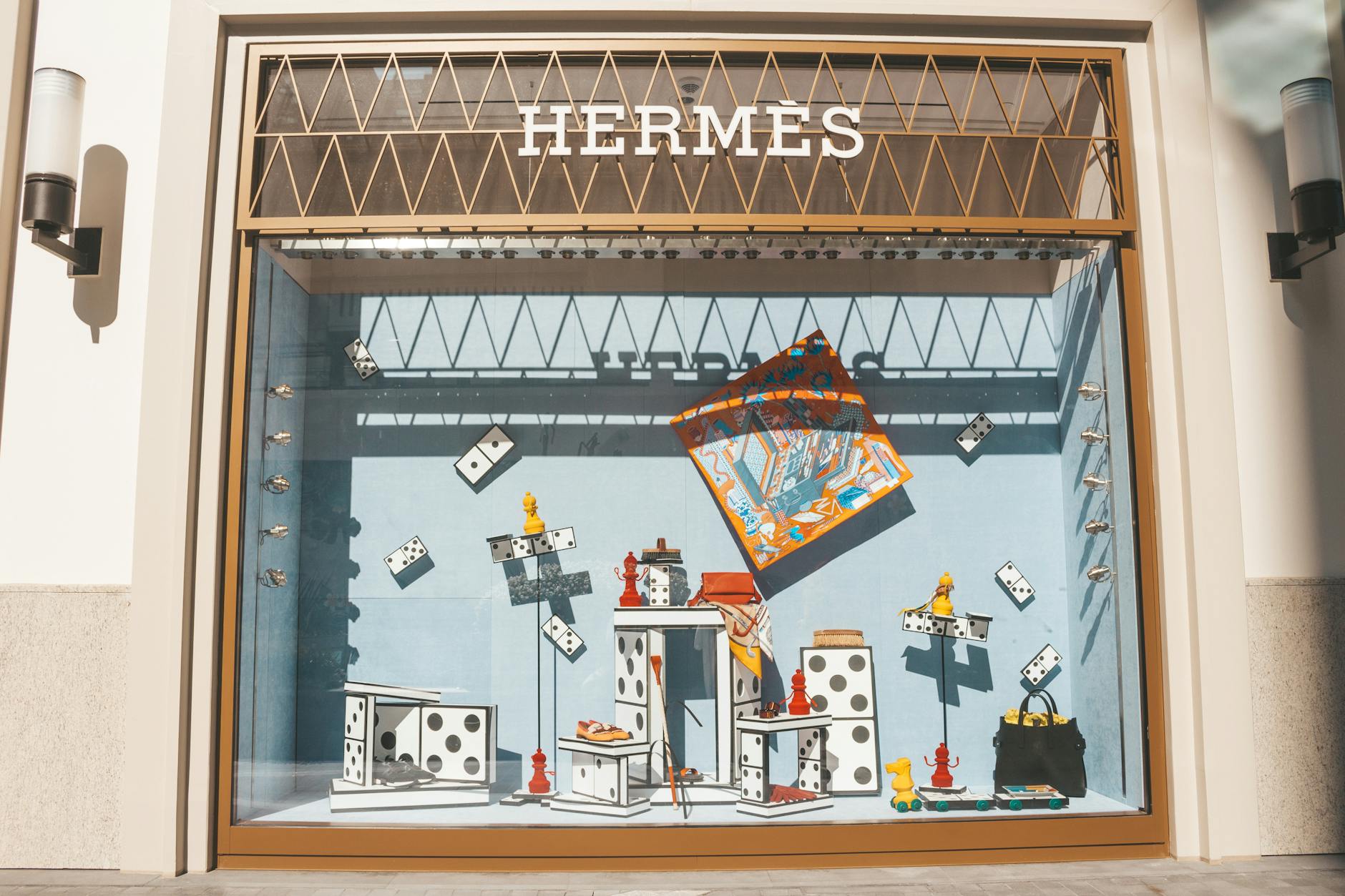
Every successful organisation in Australia — whether it’s a fast-growing Sydney tech startup, a Brisbane primary school, or a Melbourne council office — has something in common: they understand the power of brand merchandising. But what does that term actually mean in practice? And more importantly, how do you use it strategically to build genuine recognition, drive loyalty, and make a lasting impression? If you’ve ever ordered custom t-shirts for a staff event or handed out branded pens at a trade show and wondered whether it was worth the investment, this guide is for you. Brand merchandising is far more than slapping a logo on a product. Done well, it’s a cohesive strategy that turns everyday objects into powerful ambassadors for your organisation.
What Is Brand Merchandising and Why Does It Matter?
Brand merchandising refers to the process of selecting, customising, and distributing products that carry your organisation’s logo, colours, and identity. These products — often called promotional products or branded merchandise — serve as tangible representations of your brand in the hands of your customers, staff, students, or community.
Unlike digital advertising, which disappears the moment someone scrolls past, a well-chosen piece of branded merchandise sticks around. A quality tote bag used on the daily commute to work in Perth. A reusable keep cup on a Hobart office desk. A custom hoodie worn by students at a Gold Coast high school. Each of these items creates repeated brand impressions every single time they’re used.
Research consistently shows that recipients of promotional products are more likely to remember the brand, feel positively toward the organisation, and take action — whether that’s making a purchase, visiting a website, or recommending the business to others.
Exploring promotional items with logo is one of the best starting points for understanding the sheer range of products available for brand merchandising campaigns.
Understanding the Building Blocks of a Brand Merchandising Strategy
Before you order anything, it’s essential to define what you’re trying to achieve. A well-structured brand merchandising strategy answers four core questions:
Who is your audience? The products you choose for corporate clients in Adelaide’s CBD will look very different from those you’d select for a Year 6 sports carnival in Canberra. Knowing your audience drives product selection, decoration method, and even colour palette.
What message do you want to send? Premium, thoughtful merchandise communicates that your organisation values quality. Eco-friendly products signal environmental responsibility. Fun, colourful items suggest an accessible, approachable culture. Every product choice sends a signal.
Where will these items be used? Office environments, trade shows, outdoor events, and school classrooms all have different practical needs. A lanyard with a name badge works brilliantly at a conference. A branded insulated cooler bag is perfect for a real estate agent doorknocking in summer.
What is your budget? Brand merchandising spans an enormous price range — from $0.50 promotional pens through to $150 premium corporate gift sets. Understanding your per-unit budget early will help narrow down your product options quickly.
Once you’ve answered these questions, you’re ready to start exploring product categories and decoration methods.
Choosing the Right Products for Your Brand Merchandising Campaigns
Apparel: Walking Billboards for Your Brand
Custom apparel remains one of the most effective brand merchandising tools available. T-shirts, polos, hoodies, caps, and hi-vis workwear all offer large, visible branding areas. For schools, custom sports day t-shirts and merit awards uniforms are incredibly popular. For businesses, embroidered polo shirts and branded jackets communicate professionalism instantly.
The key to getting apparel right is choosing decoration methods appropriate to the garment and quantity. Embroidery is ideal for corporate polos and caps, delivering a premium, durable result that holds up through repeated washing. Screen printing is better suited to large, flat areas of colour — think event t-shirts printed in bulk for a Darwin community festival.
Drinkware: High-Use, High-Impression Items
Branded drinkware — keep cups, water bottles, travel mugs, and glass tumblers — consistently ranks among the highest-impression promotional items available. Why? Because people use them every day. A single branded keep cup can generate thousands of impressions over its lifespan, making the cost-per-impression remarkably low.
For corporate gifting, premium stainless steel water bottles with laser engraving are a perennial favourite. Schools often opt for BPA-free drink bottles with vibrant full-colour prints for students. Events and conferences regularly hand out branded travel mugs as valuable keepsakes attendees will genuinely use.
Bags and Totes
Bags are mobile advertising. Every time someone carries your branded tote bag through a supermarket in Melbourne or a conference venue in Sydney, your brand is on display to dozens of people. Recycled cotton branded tote bags for grocery stores are a particularly smart choice for organisations wanting to align their merchandising with sustainability values.
Beyond totes, consider backpacks for university and school programs, cooler bags for sporting clubs, and branded lunch bags. Insulated lunch bags for adults make thoughtful, practical corporate gifts that employees will use daily.
Tech Accessories
In 2026, tech accessories have become an increasingly important category in brand merchandising. Power banks, wireless chargers, branded USB drives, and phone accessories offer strong perceived value and are particularly well-suited to corporate and conference audiences.
USB sticks as promotional items remain popular for businesses sharing digital content, while NFC-enabled promotional products for digital engagement are opening up exciting new possibilities — imagine tapping a branded keyring and being taken directly to your company website or contact card. For a more personal touch, personalised phone cases can be a memorable option for premium gifting.
Stationery and Office Essentials
Never underestimate the enduring appeal of quality branded stationery. Pens, notebooks, sticky notes, and desk accessories are used daily in offices, schools, and homes across Australia. They’re budget-friendly, have broad appeal, and keep your brand front of mind throughout the working day.
For organisations looking for branded stationery solutions, it’s worth understanding what’s available from a well-stocked stationery store near you and how those items can be customised with your logo and brand colours.
Name tag badges and lanyards are another stationery-adjacent product category that deserves attention — particularly for events, schools, and workplaces where staff identification is important.
Decoration Methods: Getting the Look Right
Choosing the right decoration method is just as important as choosing the right product. The most common methods used in Australian brand merchandising include:
- Screen printing — Best for high-volume, multi-colour flat surface printing on apparel and bags
- Embroidery — Premium finish for corporate apparel, caps, and workwear
- Laser engraving — Precise, permanent branding for drinkware, pens, and metal items
- Sublimation — Full-colour, edge-to-edge printing ideal for polyester apparel and custom sportswear
- Pad printing — Versatile and cost-effective for small flat surfaces on pens, USB drives, and accessories
- Digital printing — Great for complex, photographic, or full-colour artwork with shorter runs
Always ensure your artwork is supplied in the correct format (typically vector files like AI or EPS) and that you’ve confirmed PMS colour codes if brand colour accuracy is critical to your organisation.
Practical Tips for Managing Your Brand Merchandising Projects
Even experienced marketers can run into avoidable headaches when managing branded merchandise orders. Here are some practical considerations:
Plan for lead times. Most standard orders require 10–15 business days from artwork approval to delivery. If you’re ordering for a specific event, add buffer time. For complex products or large volumes, turnaround can extend to three or four weeks.
Understand MOQs. Minimum order quantities vary widely. Some products (like pens or badges) can be ordered in quantities as low as 25–50 units. Others, like custom apparel with embroidery, may have MOQs of 12–24 pieces. Always confirm before committing.
Request a sample or digital proof. For significant orders, request a pre-production sample or at minimum a detailed digital proof. This protects you from costly mistakes.
Consider seasonal timing. Christmas gifts for employees and seasonal promotional gifts need to be ordered well in advance — ideally by October to guarantee delivery before the holiday period.
Think about distribution. How will products reach their recipients? If you’re distributing at a trade show, you’ll need bulk quantities. For individual corporate gifting, you might consider kitted presentation boxes.
Brand Merchandising for Trade Shows and Events
Trade shows and expos deserve special mention because they represent one of the highest-concentration opportunities for brand merchandising in action. A well-designed trade show stand with quality branded merchandise creates a memorable visitor experience that generic displays simply can’t match.
Beyond the stand itself, consider what you’re handing out. Items that offer genuine utility — quality branded tote bags, power banks, or insulated drink bottles — will be taken home and used far longer than cheap novelty items destined for the bin. For guidance on maximising your event presence, explore trade show booth display ideas and advice on designing an effective trade show stand.
For organisations operating across specific industries, branded merchandise can serve highly specialised purposes. Healthcare practices can use promotional eye care kits, while mining and resources companies might invest in promotional safety signage. Charities and not-for-profits across Australia have found that thoughtful promotional products for charity fundraisers can dramatically boost donor engagement and community awareness.
Bringing It All Together: Building a Cohesive Brand Merchandising Programme
The most effective brand merchandising programmes are cohesive and consistent. That means using the same logo, the same colours, and the same brand voice across every product category — from the branded pen on the reception desk to the custom hoodie worn by the sales team at a Melbourne expo.
Consider building a merchandise kit — a curated selection of branded products for different use cases (new employee welcome packs, event giveaways, premium client gifts) that ensures consistency regardless of who is ordering or what the occasion is. Referring back to your promotional branding items strategy and your library of marketing items with your logo will help you maintain that consistency across all touchpoints.
Don’t forget the growing importance of sustainability in brand merchandising decisions. Australian consumers and organisations increasingly expect brands to make environmentally responsible choices. Bamboo products, recycled materials, reusable items, and organically sourced apparel are all growing in popularity — and choosing these options sends a clear signal about your organisation’s values.
Conclusion
Brand merchandising is one of the most versatile and enduring tools in any Australian organisation’s marketing toolkit. Whether you’re a Darwin-based mining company, a Sydney corporate, an Adelaide school, or a community charity in regional Queensland, the principles remain the same: choose the right products, customise them thoughtfully, and put them in the hands of the right people at the right time.
Key takeaways:
- Brand merchandising works because it creates tangible, repeated impressions that digital advertising simply cannot replicate
- Successful brand merchandising starts with a clear strategy — know your audience, your message, your distribution method, and your budget before ordering
- Product selection should balance utility, quality, and brand alignment — useful items get used, and used items generate impressions
- Decoration method matters: match your print or embellishment technique to the product, the quantity, and the quality expectation
- Consistency across all branded merchandise touchpoints builds recognition, trust, and long-term loyalty for your brand