
How to Choose the Right Promotional Branding Items for Your Australian Organisation
Discover how to choose the best promotional branding items for your business, school, or event in Australia. Tips on products, budgets, and decoration.

Written by
Lydia Park
Branding & Customisation
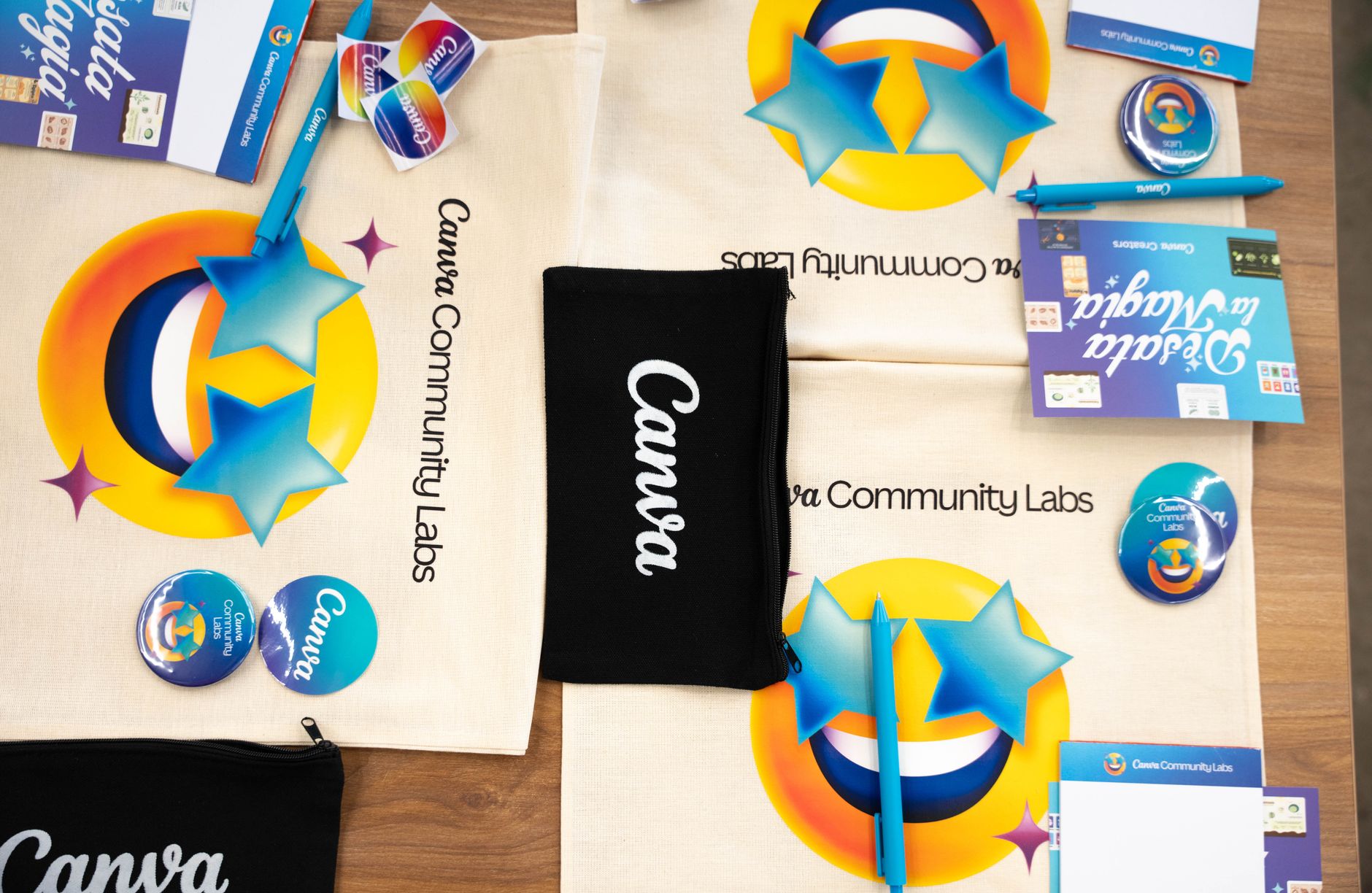
Choosing the right promotional branding items can feel overwhelming — especially when you’re staring down a catalogue of hundreds of products, trying to figure out what will actually resonate with your audience and deliver a return on your investment. Whether you’re a Sydney-based corporate preparing for a trade show, a Hobart primary school gearing up for a fundraiser, or a Brisbane council looking to build community connection, the promotional products you choose say a great deal about your brand. Done well, they create lasting impressions. Done poorly, they end up in the bin before the event wraps up.
This guide cuts through the noise and gives you a practical, informed framework for selecting, ordering, and maximising your promotional branding items — no matter your industry, budget, or location.
What Are Promotional Branding Items and Why Do They Matter?
Promotional branding items are physical products customised with your logo, brand colours, tagline, or other identifying information, distributed to promote your organisation and build brand recognition. They span an enormous range of categories — from custom apparel and drinkware to stationery, tech accessories, eco-friendly products, and beyond.
But beyond simply “putting your logo on stuff,” great promotional products serve a strategic function. Research consistently shows that recipients of branded merchandise remember the brand for longer than those exposed to digital advertising alone. There’s a tangible, tactile quality to a well-made branded item that a banner ad simply can’t replicate. When someone uses your branded keep cup every morning or reaches for your custom pen at work, your brand earns repeated impressions over time — often for months or years after the initial distribution.
In Australia’s competitive market, understanding how to leverage promotional branding items intelligently is an essential part of any marketing toolkit. For a deeper look at the landscape, our overview of the promotional products market in Australia is worth exploring before you start planning.
Matching Promotional Branding Items to Your Audience
One of the most common mistakes organisations make is choosing products they personally like rather than products their audience will genuinely use. The relevance of your branded item to the recipient’s lifestyle is what determines whether it becomes a daily-use item or ends up forgotten in a drawer.
Corporate and Business Audiences
For corporate clients, conference delegates, or business partners, quality is paramount. These audiences expect items that reflect professionalism. Think branded notebooks, quality metal pens, vacuum-insulated drink bottles, or premium tote bags. A Perth-based professional services firm gifting embossed leather notebooks at a client event will make a far stronger impression than handing out a cheap keyring.
Tech accessories are another strong choice for corporate audiences. Promotional USB sticks remain popular because they combine genuine utility with broad applicability — and there’s no shortage of recipients who’ll reach for one at the office. Similarly, branded phone stands are increasingly popular for desk-based professionals, offering daily-use visibility in the workplace.
For organisations looking to get vehicles in on the act, custom vehicle signage and decals extend your branding well beyond giveaway products and onto the road.
Schools and Educational Institutions
Schools — from primary schools in regional Queensland to universities in Melbourne — have unique needs when it comes to promotional branding items. Items must be age-appropriate, durable, and ideally functional for school life. For younger students, stationery, drink bottles, and hats are perennial favourites. For universities and TAFEs, branded tote bags, notebooks, and lanyards tend to perform well at orientation events and open days.
Our guide on promotional products for kids in Australia explores safe, appropriate, and engaging options for younger audiences in depth.
Events, Trade Shows, and Conferences
Event-specific merchandise needs to work hard in a short timeframe. Attendees often collect multiple items from multiple exhibitors, so yours needs to stand out — either by being genuinely useful, visually distinctive, or both.
Trade show setups benefit from pairing great giveaways with effective booth presentation. Before you finalise your merchandise, check out these trade show booth display ideas and our guide to trade show stand design for inspiration on creating a cohesive brand experience.
For summer events and outdoor festivals, there’s a whole world of season-specific options covered in our roundup of summer custom products in Australia.
Charities, Councils, and Government Bodies
Community-facing organisations often need promotional branding items that communicate values — not just logos. Eco-friendly options resonate strongly with modern audiences, and practical items like reusable bags, keep cups, and recycled products align well with sustainability messaging.
Local councils in particular have found creative success with niche branded products. Promotional parking timer discs for council branding are a brilliant example of how a hyper-relevant, functional item can generate genuine appreciation and brand recall within a community.
For charities, the right branded product can also serve as a fundraising tool — our guide on promotional products for charity fundraisers in Australia offers practical advice for maximising your impact on a limited budget.
Choosing the Right Decoration Method
How your logo is applied is just as important as what product you choose. Different decoration methods suit different products, materials, and budgets — and choosing the wrong one can result in a disappointing finish.
- Screen printing is ideal for flat surfaces like t-shirts, tote bags, and mousepads. It delivers bold, vibrant colours and is cost-effective at volume.
- Embroidery is the gold standard for apparel, particularly polos, caps, and workwear. It conveys quality and durability, though it carries higher setup costs.
- Laser engraving works beautifully on metal and timber items — think branded pens, awards, and drinkware. The finish is permanent and premium.
- Pad printing is versatile for hard, small-surface items such as pens, power banks, and USB drives.
- Sublimation is excellent for full-colour, all-over designs — particularly popular for sportswear and custom apparel in clubs or events like surf competitions (check out our guide to promotional merchandise for surf competitions in Australia).
When in doubt, ask your supplier which method they recommend for your chosen product. A reputable supplier will always guide you toward the method that best suits your artwork and the product’s material.
Budgeting and Minimum Order Quantities
Budget is often the biggest constraint when planning a promotional product order, and understanding how pricing works is essential to getting good value.
Most products are priced on a tiered scale — the more units you order, the lower the cost per item. This is why it’s worth consolidating orders where possible rather than ordering small runs of several different items. Speaking of which, understanding minimum order quantities for custom merchandise can help you avoid surprises, especially if you’re ordering for a smaller organisation or event.
Setup fees are another consideration. Screen printing, embroidery, and pad printing typically involve a one-off setup fee to prepare the screens, digitise artwork, or create the printing plates. This fee is amortised across your order, making larger quantities far more cost-effective per unit.
For tighter budgets, eco-friendly options can actually offer surprising value. Recycled promotional items often come in at competitive price points while delivering a strong sustainability message — which can be more impactful than a premium-priced item for the right audience. Similarly, recycled cotton branded tote bags and recycled material branded mousepads are practical, eco-friendly picks that work across multiple sectors.
Industry-Specific Considerations
Some industries have very specific requirements that go beyond standard promotional merchandise. Mining, construction, and safety-critical sectors, for example, often need branded items that comply with safety standards. Promotional safety signs for mining operations and promotional safety whistles for construction companies illustrate how branded products can serve both a safety function and a branding purpose simultaneously.
Similarly, government and community organisations sometimes need items that reflect regional identity — like state flags or culturally significant symbols. Our dedicated page on the South Australian flag is a useful reference for organisations needing state-specific branding elements, and our guide to vehicle logo applications covers branding for fleet vehicles across public and private sectors.
Tips for a Smooth Ordering Process
Once you’ve settled on your product and decoration method, the ordering process itself requires careful management to avoid delays and costly errors.
- Submit artwork in the correct format. Vector files (AI, EPS, or high-resolution PDF) are preferred by most suppliers. Raster images like JPEGs or PNGs rarely scale well for decoration.
- Approve your proof carefully. Always review the digital proof or physical sample before signing off on a full production run. Check logo placement, colour accuracy, and spelling.
- Factor in lead times. Standard turnaround in Australia is typically 10–15 business days after artwork approval. Rush orders may be available but often attract a surcharge.
- Order samples where possible. For large or high-value orders, requesting a pre-production sample is well worth the small additional cost. It eliminates risk and gives you confidence in the finished product.
- Plan for storage and distribution. Particularly for large orders, consider how and where the products will be stored and who will be responsible for distributing them.
Conclusion: Key Takeaways for Choosing Promotional Branding Items
Selecting the right promotional branding items is a strategic decision, not just a logistical one. When approached thoughtfully, the right products can strengthen your brand, build goodwill, and deliver ongoing impressions long after your event or campaign has ended.
Here are the most important points to keep in mind:
- Relevance trumps novelty. Choose items your specific audience will actually use in their daily lives — the more relevant the product, the more impressions it will generate over time.
- Decoration method matters. Match your printing or engraving method to your product and artwork to ensure a professional, durable finish.
- Understand your MOQs and setup fees. Budget accurately by factoring in all costs upfront, including artwork setup, samples, and freight.
- Eco-friendly options are increasingly expected. Australian consumers and communities respond positively to sustainable choices — consider recycled or reusable products where appropriate.
- Plan your timeline carefully. Allow adequate lead time for production and delivery, particularly around busy periods like end-of-year events, school terms, and trade show seasons.
With the right strategy and a clear understanding of your audience, promotional branding items can be one of the most cost-effective and enduring tools in your marketing arsenal — wherever you are in Australia.