
Custom Vintage T-Shirts in Australia: The Complete Ordering Guide for 2026
Discover how to order custom vintage t-shirts in Australia for businesses, schools & events. Expert tips on styles, printing & budgets.

Written by
River Chen
Custom Apparel
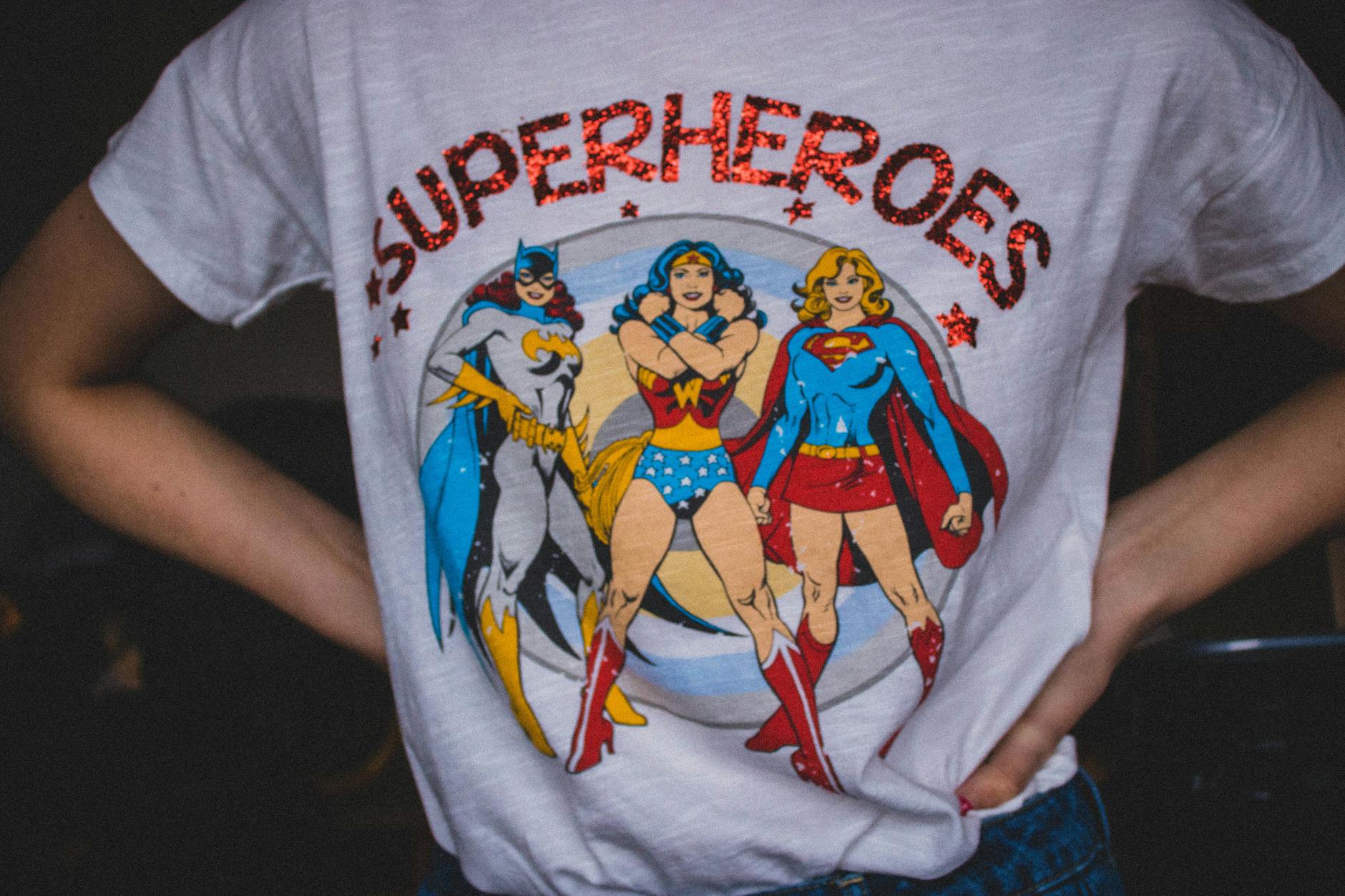
There’s something undeniably appealing about a vintage-style t-shirt. The washed-out tones, the slightly distressed graphics, the relaxed silhouette — it all adds up to a look that feels lived-in and authentic rather than stiff and corporate. For Australian businesses, schools, and event organisers, custom vintage t-shirts have moved well beyond a passing trend. They’ve become one of the most sought-after options in branded apparel, and for good reason. Whether you’re kitting out a Melbourne retail brand, creating merchandise for a Gold Coast music festival, or rewarding staff at a Sydney agency, a well-executed vintage tee sends a message that’s impossible to ignore: this organisation has personality.
This guide covers everything you need to know about ordering custom vintage t-shirts in Australia — from choosing the right garments and decoration methods to managing your budget and timeline effectively.
What Makes a T-Shirt “Vintage”?
Before placing an order, it helps to understand what actually defines the vintage aesthetic in custom apparel. The term gets used loosely, but there are a few hallmarks that experienced suppliers and designers will recognise immediately.
Fabric and Garment Construction
True vintage-style t-shirts are typically made from tri-blend or ring-spun cotton fabrics. A tri-blend — usually a combination of cotton, polyester, and rayon — creates that soft, slightly draping hand feel that mimics a well-worn shirt. Ring-spun cotton, while heavier, also achieves a premium softness that standard cotton can’t match.
Many vintage-style garments also feature a slightly fitted or relaxed cut, raw-edge detailing, or side seams that taper differently from basic commodity tees. The result is a shirt that simply looks more considered and intentional.
The Washed-Out Look
Garment dyeing and enzyme washing are two processes commonly used to achieve that faded, time-worn appearance. Some manufacturers offer pre-washed or “pigment-dyed” blanks that arrive with an inherent softness and colour variation — no two pieces look exactly alike, which is part of the appeal. For branded merchandise, this authentic variation can make a uniform feel surprisingly personal.
Graphic Style
The artwork on a vintage t-shirt matters enormously. Think distressed or halftone graphics, retro typography, aged colour palettes (burnt orange, mustard, faded navy, olive, slate), and designs that look like they could have come from a 1970s or ’80s band tour. This is where your graphic design choices make or break the final product.
Why Vintage T-Shirts Work So Well as Branded Merchandise
It’s worth pausing on why this style has proven so popular across so many sectors in Australia before diving into the practicalities of ordering.
People Actually Wear Them
One of the most common frustrations with promotional merchandise is that items end up in the bin or buried in a drawer. A well-designed vintage tee, however, tends to get worn. Regularly. The style is fashionable enough that recipients feel good wearing it in everyday contexts — on weekends, at the gym, out for coffee. That translates directly into ongoing brand impressions.
This is especially relevant when you consider how promotional branding items are evaluated for ROI. The more use an item gets, the more value it delivers per dollar spent.
They Signal Brand Personality
A vintage aesthetic communicates something quite specific: creativity, heritage, authenticity. For brands in hospitality, retail, creative industries, or those targeting younger demographics, this kind of positioning can be invaluable.
Versatility Across Audiences
Custom vintage t-shirts work remarkably well across a diverse range of contexts. A Brisbane primary school might use them for a fun sports day. A Perth brewery could sell them as premium merchandise. A Canberra government agency might commission a limited run for an internal staff wellbeing event. Understanding your audience and their appetite for this aesthetic is the first step. For deeper insight into what’s resonating in the Australian market, our coverage of promotional products market research in Australia is worth a read.
Choosing the Right Blank Garments for Your Order
Not every blank t-shirt is suitable for a vintage treatment. When sourcing custom vintage t-shirts in Australia, your supplier will typically offer a curated range of garments suited to this aesthetic.
Key Considerations
Fabric weight: Lighter-weight fabrics (140–160 gsm) tend to drape better and suit the vintage look more naturally. Heavier basics can feel too structured.
Colour options: Look for suppliers offering muted, earthy, or washed colour palettes. Bright, saturated colours rarely work for a vintage aesthetic.
Sizing and fit: Confirm that the garments run true to Australian sizing, particularly if you’re ordering for a diverse group. Always request a size chart.
Sustainability credentials: Many organisations now actively seek out recycled or organic cotton options. If this matters to your stakeholders, ask your supplier about eco-friendly blanks. This ties naturally into broader sustainable merchandise thinking — something covered in detail in guides like our piece on recycled cotton branded tote bags for grocery stores.
Decoration Methods for Custom Vintage T-Shirts
Getting the print right is arguably the most important decision in the entire process. Different decoration methods lend themselves to the vintage aesthetic in very different ways.
Screen Printing
Screen printing is the gold standard for vintage-style t-shirt graphics. It allows for rich, opaque ink deposits that can be formulated to look deliberately aged, and techniques like halftone printing, discharge printing, and water-based inks all contribute to that authentic faded look.
Discharge printing is particularly well-suited to vintage aesthetics — it removes the dye from the fabric rather than sitting on top of it, creating a soft, breathable print that feels like it’s part of the shirt rather than applied to it.
Minimum order quantities (MOQs) for screen printing typically start at 25–50 units per design, though this can vary by supplier. For a thorough overview of how MOQs work across different decoration methods, our guide to understanding minimum order quantities for custom merchandise is highly recommended reading before you budget your project.
Sublimation and Direct-to-Garment (DTG)
Sublimation works best on polyester-heavy fabrics, which can limit its application on vintage-style tees — though it’s increasingly available on poly-cotton blends. Direct-to-garment (DTG) printing offers greater flexibility for short runs and complex artwork but may require additional distressing effects applied digitally to the artwork itself to achieve the vintage look.
Heat Transfer
Heat transfer methods, particularly with vintage-effect film, can work well for smaller runs or complex multi-colour designs. The limitation is longevity — heat transfer prints can crack or peel over time if not properly applied.
Artwork Requirements and Design Tips
If you’re approaching a supplier with your own artwork, there are a few technical and creative considerations to keep in mind.
Vector files are preferred for screen printing. EPS or AI files at the correct size, with fonts converted to outlines, give printers the cleanest starting point.
Embrace texture and imperfection in your artwork. A perfectly clean, crisp design will look out of place on a vintage tee. Introduce grain, rough edges, or distressed textures in your design file to complement the garment.
Limit your colour palette — vintage designs rarely use more than three to four colours. This also keeps screen printing costs manageable, as each colour typically requires a separate screen setup.
Request a physical sample or digital proof before approving a full production run. Colours appear differently on screen than they do printed onto fabric, especially on darker or washed garments.
Budgeting and Turnaround Times
What to Expect on Pricing
Pricing for custom vintage t-shirts in Australia varies considerably depending on garment quality, print complexity, and order volume. As a rough guide:
- Budget tier (commodity blank + basic screen print, 50+ units): $18–$30 per unit
- Mid-range (tri-blend blank + multi-colour screen print, 50–100 units): $30–$50 per unit
- Premium (enzyme-washed blank + discharge or speciality print, 50+ units): $50–$80+ per unit
Setup fees for screen printing are charged per colour per screen, typically ranging from $40–$80 each. These are usually one-time costs that reduce on repeat orders.
Turnaround Expectations
Standard production turnaround from artwork approval to dispatch typically runs 10–15 business days for screen-printed apparel. If you’re ordering for a specific event — say, an Adelaide conference or a Hobart charity fun run — build in at least four weeks to account for proofing, revisions, production, and delivery.
Rush services are available from some suppliers but usually attract a premium. Plan ahead wherever possible.
Sector-Specific Applications
Custom vintage t-shirts span a surprisingly wide range of contexts in the Australian market.
Sporting clubs and community events: A retro-styled club tee or event shirt creates a keepsake rather than just a uniform. Think of the enthusiastic reception when supporters receive something that looks genuinely collectable.
Schools and education: For school fetes, sports days, or leavers’ merchandise, vintage t-shirts offer a premium feel that students are genuinely excited to wear. This is especially true for senior students where personal style matters.
Corporate events and conferences: A well-designed vintage tee can function beautifully as a staff gift or conference swag bag item. Paired with other thoughtful inclusions, it helps build real event identity. If you’re building a broader event merchandise strategy, our overview of trade show booth display ideas and considerations for your trade show stand may also be useful.
Charities and fundraising: Custom vintage merch can command a higher price point at charity merchandise stalls or online stores, helping maximise revenue for the cause. Our dedicated resource on promotional products for charity fundraisers in Australia covers this in greater depth.
Conclusion: Key Takeaways for Ordering Custom Vintage T-Shirts in Australia
Custom vintage t-shirts represent a genuine opportunity to create branded apparel that people actually want to wear — and that builds your brand image every time they do. Getting the execution right requires thoughtful decisions at each stage, from garment selection through to decoration method and artwork preparation.
Here are the key points to carry forward:
- Choose the right blank: Tri-blend or ring-spun cotton in washed or muted colourways is the foundation of a convincing vintage tee.
- Match your decoration method to your aesthetic: Discharge or water-based screen printing delivers the most authentic vintage result; DTG works well for short runs.
- Invest in the artwork: Distressed textures, limited colour palettes, and retro typography make or break the vintage look — consider working with a designer experienced in this style.
- Plan your timeline carefully: Allow at least four weeks from brief to delivery, particularly if samples or proofing revisions are involved.
- Think beyond the garment: The best custom vintage t-shirts are part of a broader merchandise strategy that considers how they’ll be presented, packaged, and distributed to maximise impact.
With the right planning and the right supplier partnership, custom vintage t-shirts in Australia can become one of the most effective and memorable branded items in your organisation’s toolkit.